
Senate Set to Tackle ₦1.3bn Budget Controversy Linked to Alleged Fake Government Agency
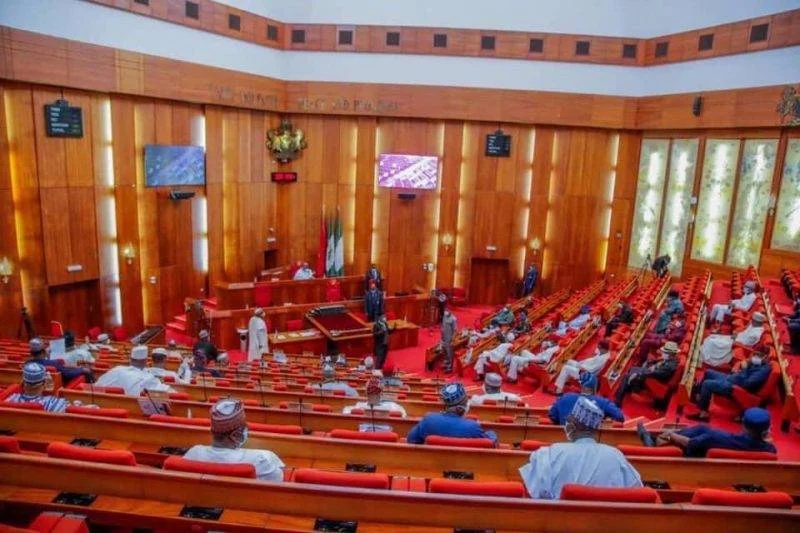
The Senate is expected to address the growing controversy surrounding a ₦1.3 billion allocation to the Presidential Foreign Intervention Promotion Council (PFIPC) when lawmakers resume plenary on Tuesday.
The development follows mounting concerns over how an agency whose legal status has been questioned reportedly secured a budget allocation in the 2026 Appropriation Act.
Questions Over Agency's Legitimacy
The controversy centers on claims that the PFIPC operated for more than a year using documents allegedly backed by a forged appointment letter.
According to reports, the document purportedly carried the signature of the Chief of Staff to the President, Femi Gbajabiamila, enabling the council to obtain office space within the Federal Secretariat Complex in Abuja and project the image of a legitimate government institution.
Sources familiar with the matter have suggested that multiple administrative lapses across government institutions may have contributed to the situation.
Alleged Forged Appointment Letter
Officials familiar with the case claim the appointment letter allegedly used to establish the agency did not originate from the appropriate constitutional channels.
Government insiders explained that appointments to federal agencies are typically approved by the President and processed through the Office of the Secretary to the Government of the Federation (SGF).
The controversy has therefore raised questions about how a document allegedly carrying an unauthorized signature was accepted and processed without additional verification.
How the Budget Allocation Emerged
One of the major issues attracting public attention is how the PFIPC allegedly secured a ₦1.3 billion allocation in the national budget.
Sources within the National Assembly reportedly indicated that the allocation was included without a separate budget defense session before the relevant Senate committee.
The revelation has fueled demands for a comprehensive investigation into the budget approval process and the institutions involved.
Senate Expected to Respond
Lawmakers are expected to discuss the matter during plenary as pressure mounts for greater transparency.
Political observers believe the Senate's response could shape public confidence in ongoing efforts to strengthen accountability within government institutions.
The expected deliberations may also address concerns about whether proper oversight mechanisms were followed before the allocation was approved.
Civil Society Groups Demand Answers
Several civil society organizations have called for full disclosure of documents related to the allocation.
The Socio-Economic Rights and Accountability Project (SERAP) has requested access to records concerning the approval process, including details of committee proceedings and individuals involved in defending the budget proposal.
The Human and Environmental Development Agenda (HEDA) has also urged authorities to conduct a public inquiry into the matter.
Opposition Parties Intensify Criticism
The controversy has generated strong reactions from opposition figures and political groups.
Former Vice President Atiku Abubakar criticized the administration over the issue, arguing that Nigerians deserve clear answers regarding the creation, funding, and operation of the disputed council.
Other political organizations have similarly called for investigations into how the agency allegedly obtained official recognition and access to public resources.
Legal and Security Investigations Continue
Reports indicate that security agencies had previously investigated the matter following complaints that the agency's activities overlapped with the statutory responsibilities of existing government institutions.
Officials say concerns were initially raised after questions emerged regarding the council's operations and legal standing.
The case remains before the courts, with further proceedings expected later this month.
Growing Demand for Accountability
The controversy has sparked broader discussions about institutional safeguards, document verification procedures, and oversight mechanisms within government.
Analysts argue that the incident highlights the need for stronger due diligence processes across public institutions to prevent similar occurrences in the future.
As the Senate prepares to address the matter, Nigerians are expected to closely monitor developments and any measures introduced to improve transparency and accountability in public administration.


0 Comments
Leave a Comment