

“PROCUREMENT IS DEAD IN TARABA; PROJECTS ARE AWARDED TO FAMILY AND FRIENDS IN NIGER DELTA”
“DISOBEDIENCE TO PROCUREMENT LAW IS A SERIOUS OFFENCE; IT HAS LANDED SOME FORMER GOVERNORS IN JAIL” — ZAKARI AMINU
PDP DEPUTY GOVERNORSHIP CANDIDATE QUESTIONS KEFAS’ RECORD ON SECURITY, EDUCATION AND HEALTHCARE
PROPOSES 24-HOUR SURVEILLANCE IN JALINGO, SCHOOL REHABILITATION AND IRRIGATION-DRIVEN AGRICULTURE
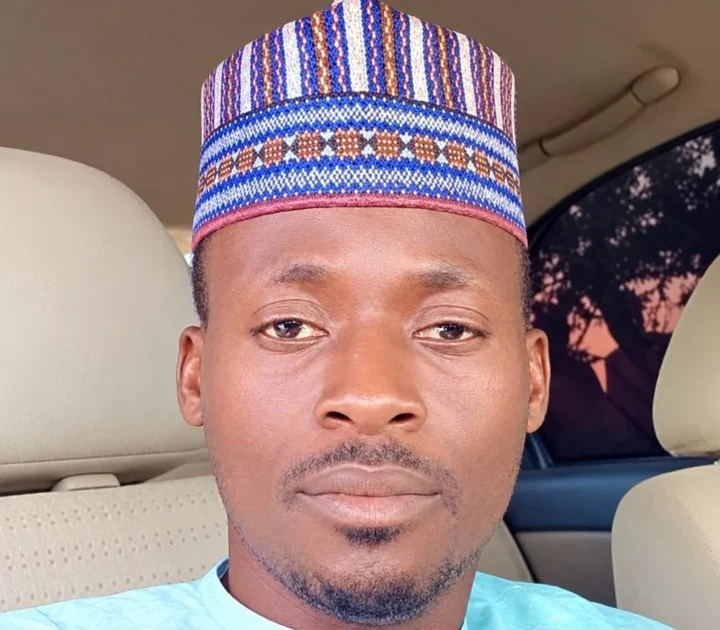
The Deputy Governorship Candidate of the Peoples Democratic Party (PDP) in Taraba State, Engineer Aminu Zakari, has challenged Governor Agbu Kefas’s administration over what he described as gaps in public procurement, infrastructure delivery and the management of the state’s financial resources.
Zakari, a civil engineer, procurement specialist and public servant, made the remarks during an appearance on Today’s Politics, SUM TV’s premium political affairs programme, where he defended the PDP governorship ticket led by Senator Emmanuel Bwacha and outlined the opposition’s proposed alternatives ahead of the 2027 governorship election.
During the interview, he questioned the administration’s record on security, education, healthcare and agriculture, while calling for greater accountability in the award of public contracts and the implementation of government projects.
ZAKARI QUESTIONS ₦500 BILLION FAAC REVENUE AND PROJECT DELIVERY
Zakari alleged that Taraba State had received more than ₦500 billion in Federation Account Allocation Committee (FAAC) revenue over a three-year period but questioned whether the funds had translated into completed projects commensurate with the resources available to the state.
He challenged the administration to demonstrate the impact of public expenditure, arguing that residents should be able to assess government performance through completed infrastructure, improved public services and visible development across communities.
The deputy governorship candidate further alleged that no project valued at ₦10 billion had been completed during the period under review.
The claim formed part of his broader criticism of the administration’s handling of public finances. However, the revenue figure, the period covered and the assertion concerning completed projects require independent verification through official FAAC records, state budget documents, audited accounts and project completion reports.
Zakari maintained that public revenue should be reflected in tangible improvements in the lives of residents, including better roads, functioning healthcare facilities, improved schools, reliable water supply and stronger support for agricultural production.
He argued that the central issue was not simply how much money the state received but how effectively those resources were deployed to address the needs of its citizens.
“PROCUREMENT IS DEAD IN TARABA” — ZAKARI ALLEGES FAVOURITISM
In one of his strongest criticisms, Zakari declared that public procurement had effectively broken down in Taraba State, alleging that projects were awarded to family members and associates in Nigeria’s Niger Delta region.
He argued that public contracts should be awarded through transparent and competitive processes, with decisions guided by technical competence, value for money and compliance with applicable procurement laws.
According to him, weaknesses in procurement oversight could undermine project quality, inflate costs and prevent qualified contractors from competing fairly for government business.
Zakari also warned that failure to comply with procurement laws could carry serious legal consequences, referring to cases in which former governors had faced prosecution or imprisonment over corruption-related offences.
He called for stronger scrutiny of contract awards, project costs, contractor qualifications and the delivery of publicly funded projects.
The allegations against the incumbent administration remain claims made by the opposition candidate and would require documentary evidence and a response from the relevant authorities to establish their accuracy.
PDP TICKET CHALLENGES KEFAS’ RECORD ON SECURITY, EDUCATION AND HEALTHCARE
Beyond public procurement, Zakari argued that Tarabans should evaluate the incumbent administration based on measurable improvements in their daily lives rather than policy announcements alone.
He questioned whether government interventions had adequately addressed insecurity, the condition of public schools, healthcare delivery and the infrastructure required to support economic activity.
On security, he maintained that the absence of kidnapping incidents alone could not provide a complete picture of public safety. He argued that farmers must be able to access their farmlands, residents must feel safe in urban areas, and vulnerable communities must be protected against criminal attacks.
On education, he insisted that the removal of school fees and payment of examination charges should be accompanied by adequate classrooms, furniture, instructional materials and improved teachers’ welfare.
Regarding healthcare, he emphasised the importance of adequately equipped facilities and effective public services, although further details of the PDP ticket’s proposed healthcare programme would be necessary to assess its scope.
Zakari said the PDP intended to offer Tarabans an alternative approach to governance under Senator Emmanuel Bwacha, with an emphasis on accountability, infrastructure development and the effective use of public resources.
PROPOSES 24-HOUR SURVEILLANCE AND BETTER SUPPORT FOR SECURITY AGENCIES
Outlining the PDP ticket’s proposed security strategy, Zakari promised a more coordinated system of security operations, particularly in Jalingo and vulnerable rural communities.
He said a government led by Senator Bwacha would prioritise collaboration with the Nigeria Police Force, the Department of State Services and the Nigeria Security and Civil Defence Corps, alongside improved engagement and appropriate operational support for security personnel.
He proposed a 24-hour surveillance system for Jalingo, saying the objective would be to improve monitoring, strengthen public safety and enable security agencies to respond more effectively to threats.
Zakari also argued that agricultural development would remain difficult wherever insecurity prevented farmers from accessing their land or transporting their produce to markets.
He called for greater accountability in security expenditure, insisting that resources allocated to protecting lives and property should produce measurable improvements in public safety.
The proposal would require clear funding arrangements, operational coordination, appropriate technology and safeguards to ensure that surveillance activities respect the law and residents’ rights.
FREE EDUCATION: ZAKARI CALLS FOR SCHOOL REHABILITATION AND TEACHERS’ WELFARE
Education was another major area of disagreement during the interview, as Zakari challenged the incumbent administration’s presentation of free education as a defining achievement.
He argued that removing school fees and paying examination charges would not, by themselves, guarantee quality education without suitable classrooms, desks, teaching materials and motivated teachers.
He alleged that some public schools continued to face shortages of basic facilities and questioned the emphasis on constructing new schools while existing facilities, according to his account, required rehabilitation and maintenance.
“Does education confine itself to tuition fees alone?” he asked.
Zakari clarified that the PDP ticket would not abolish the free education policy. Instead, he proposed strengthening its implementation by rehabilitating existing schools, improving classroom conditions, providing essential learning materials and addressing teachers’ welfare.
He maintained that free education should encompass not only access to schooling but also the quality of the learning environment and the ability of teachers to deliver effective instruction.
The state government has defended its education programme, including support for examination registration and the provision of educational materials. An assessment of the competing positions would require current information on school infrastructure, teacher availability, learning outcomes and education expenditure.
AGRICULTURE: PDP TICKET PROPOSES IRRIGATION AND IMPROVED FARMING SUPPORT
Zakari identified insecurity, limited access to farming inputs and the underutilisation of Taraba’s natural resources as obstacles to agricultural productivity.
He proposed stronger protection for farming communities, improved access to quality seeds and fertilisers, and better connections between farmers and agricultural support programmes.
One of his proposals involves exploring water resources around the Lau River to develop an industrial water supply and irrigation system capable of supporting farming communities during both rainy and dry seasons.
He argued that, if technically and economically feasible, irrigation infrastructure could reduce dependence on seasonal rainfall, improve crop production and create opportunities for year-round farming.
Zakari also called for more effective connections between farmers and federal agricultural support initiatives, including access to improved seeds, fertilisers, farm equipment and other essential inputs.
He maintained that improved security, irrigation, agricultural logistics and access to inputs could strengthen food production, support rural incomes and expand economic opportunities across Taraba State.
The proposed irrigation project would require technical feasibility studies, environmental assessments, funding arrangements and a sustainable maintenance plan before its potential benefits could be established.
POWER, ETHNIC REPRESENTATION AND INCLUSIVE GOVERNANCE
The interview also examined political appointments, ethnic representation and concerns about the concentration of political authority.
Zakari argued that inclusive governance should ensure that the state’s diverse communities have fair opportunities to participate in decision-making and benefit from public resources.
He criticised what he described as the incumbent administration’s tendency to concentrate political influence and questioned whether appointments and public opportunities adequately reflected Taraba’s diversity.
In presenting the PDP ticket as an alternative, he highlighted the backgrounds of Senator Emmanuel Bwacha, whom he identified as an Ichen man from Donga Local Government Area, and himself, a Fulani man from Jalingo Local Government Area.
He argued that their combination could offer a broader approach to political representation and leadership.
The discussion also touched on allegations by critics that the incumbent administration favours particular ethnic and political interests. These remain contested political claims and should be assessed against verifiable evidence on appointments, resource allocation and access to public opportunities.
Questions were also raised about the ancestry and claimed indigene status of the governor’s running mate. Such claims require reliable documentation and should not, without further evidence, be treated as proof of ineligibility or discriminatory governance.
Zakari maintained that the broader objective should be a system in which public appointments, government programmes and economic opportunities are guided by fairness, competence and accountability.
He also faces the responsibility of explaining how the PDP would translate its promise of inclusion into transparent appointments, equitable resource allocation and meaningful participation across the state.
During the programme, Zakari introduced his personal and professional background, presenting his technical qualifications and public-sector experience as assets he would bring to the proposed administration.

0 Comments
Leave a Comment