
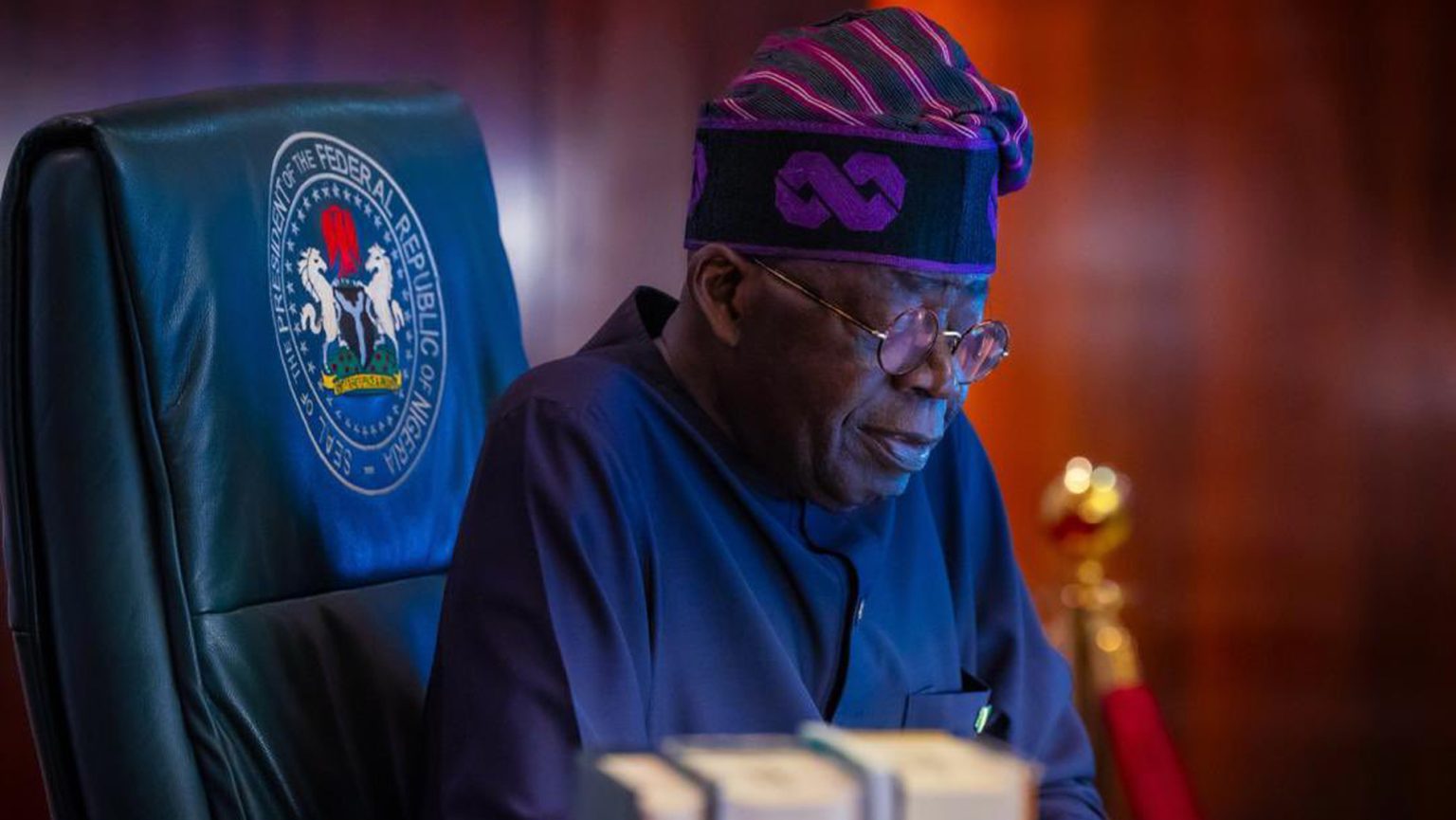
Public commentator David Adenuga has urged President Bola Ahmed Tinubu to exercise caution over recommendations linked to the International Monetary Fund (IMF), warning that additional tax measures could place further strain on Nigerians already grappling with rising living costs.
According to Adenuga, introducing new taxes on essential services such as fuel and telecommunications could deepen economic hardship and increase public frustration at a time when many households are struggling to meet basic needs.
Concerns Over Rising Cost of Living
Adenuga noted that many Nigerians are already facing significant financial pressure following recent economic reforms, particularly the removal of fuel subsidies and changes in exchange rate policies.
He argued that any additional tax burden on fuel or telecommunications services would likely be viewed as another challenge for citizens dealing with higher transportation costs, increased food prices, and rising expenses in healthcare and education.
"The average Nigerian household is spending considerably more on essential goods and services than it did a few years ago. Additional taxes may further reduce disposable income and purchasing power," he stated.
Comparisons to Nigeria's Structural Adjustment Programme
The commentator drew comparisons between current economic proposals and the Structural Adjustment Programme (SAP) introduced in 1986 under the administration of former military leader Ibrahim Babangida.
The SAP reforms included currency devaluation, subsidy removal, trade liberalization, and privatization efforts aimed at stabilizing the economy. However, the programme later became associated with inflationary pressures, reduced purchasing power, and widespread public dissatisfaction.
Because of these historical experiences, Adenuga said many Nigerians have begun describing recent reform proposals as "SAP 2.0," reflecting concerns about their potential social and economic impact.
Lessons From Past Economic Reforms
Adenuga recalled that economic reforms implemented during the SAP era generated strong public opposition, including the Anti-SAP protests and riots that occurred in the late 1980s.
According to him, policymakers should learn from history by ensuring that economic reforms are accompanied by adequate social protections and measures that cushion vulnerable populations from hardship.
He emphasized that public acceptance of reforms often depends on how citizens experience their effects in everyday life rather than how they are presented in economic reports.
Impact of Fuel and Telecom Taxes
The commentator warned that increased taxation on fuel could have a ripple effect across the economy by raising transportation and production costs, which may contribute to further inflation.
Similarly, he argued that additional taxes on telecommunications services could affect millions of Nigerians who rely on mobile and internet connectivity for banking, education, commerce, and communication.
With Nigeria's growing digital economy, he stressed that affordable access to telecommunications remains essential for economic growth and financial inclusion.
Call for Alternative Revenue Strategies
Rather than imposing new taxes on essential services, Adenuga urged the Federal Government to focus on reducing the cost of governance, improving public sector efficiency, blocking revenue leakages, and strengthening productive sectors of the economy.
He maintained that sustainable fiscal reforms should prioritize expanding economic opportunities and improving government revenue collection without placing excessive burdens on ordinary citizens.
While acknowledging the importance of economic reforms and revenue generation, Adenuga stressed that policy decisions must reflect prevailing social realities and consider their impact on the welfare of Nigerians.
Balancing Reform and Public Welfare
As discussions around fiscal reforms continue, analysts remain divided on the best approach to strengthening government revenue while protecting citizens from additional economic pressures.
The debate highlights the broader challenge facing policymakers: balancing economic restructuring with measures that promote stability, growth, and improved living standards for Nigerians.



0 Comments